Sections menu
Boeing 737-800 NG · Start
About
A plain-language introduction, with no technical detail.
The Boeing 737 is the best-selling jet airliner in history. Since its first flight in 1967 it has carried passengers to nearly every country in the world.
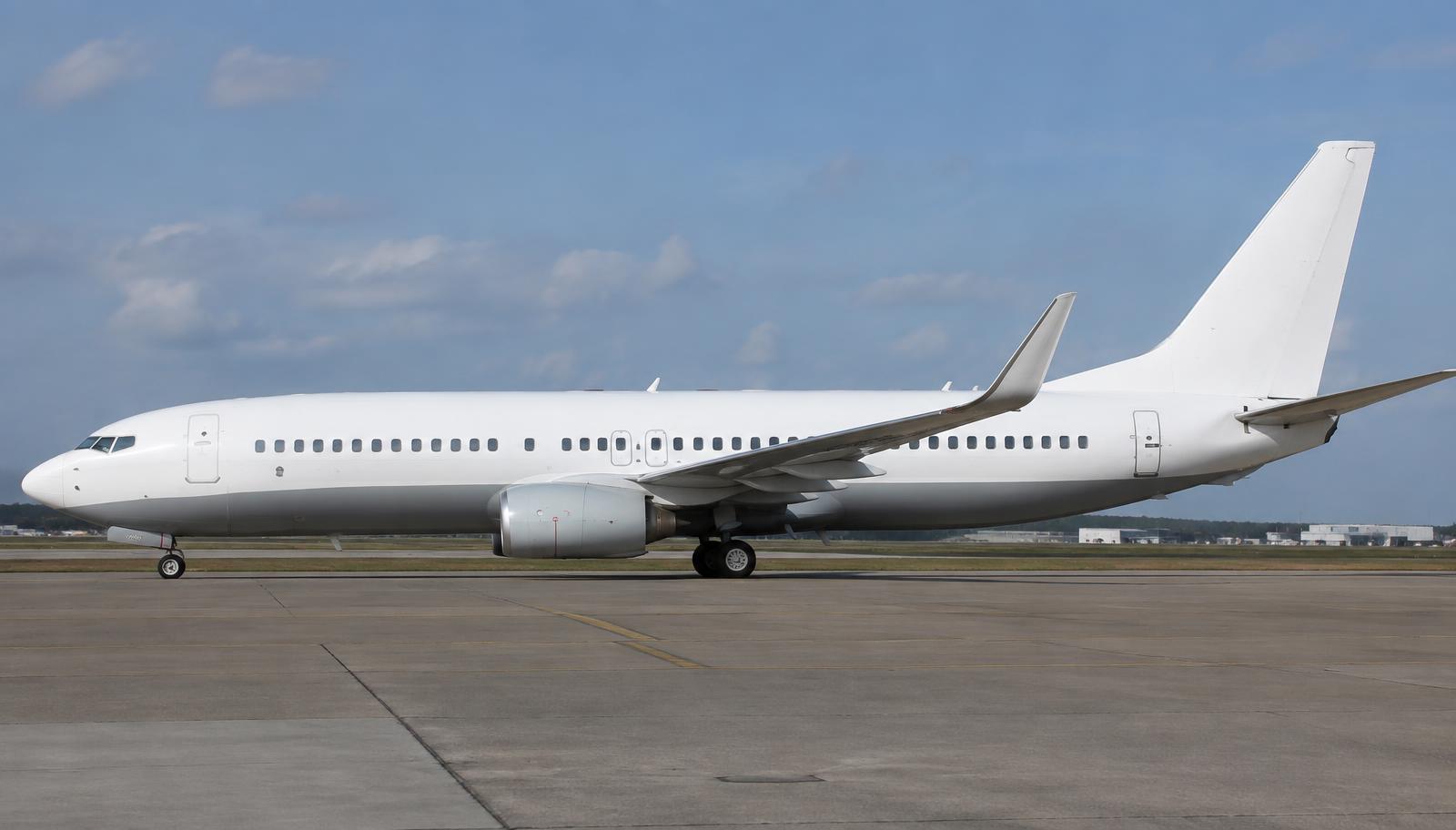
What it is
A narrow-body, twin-engine jet with room for about 120 to 210 passengers, depending on version and layout. It is designed for short and medium routes, and has been developed through many generations, from the original 100 and 200 models to the Classic, the Next Generation and the 737 MAX.
Why it has lasted so long
The 737 was built low to the ground so that it can be loaded without special equipment at small airports. It is reliable, easy to maintain and flexible, and airlines can use it for a wide range of routes. Boeing improved it again and again instead of starting over.
Who flies it
Southwest, Ryanair, United, American, Alaska and many more. It is also in military and government service, for example the P-8 Poseidon maritime patrol aircraft of the US Navy is based on the 737 Next Generation.
What it is like to fly
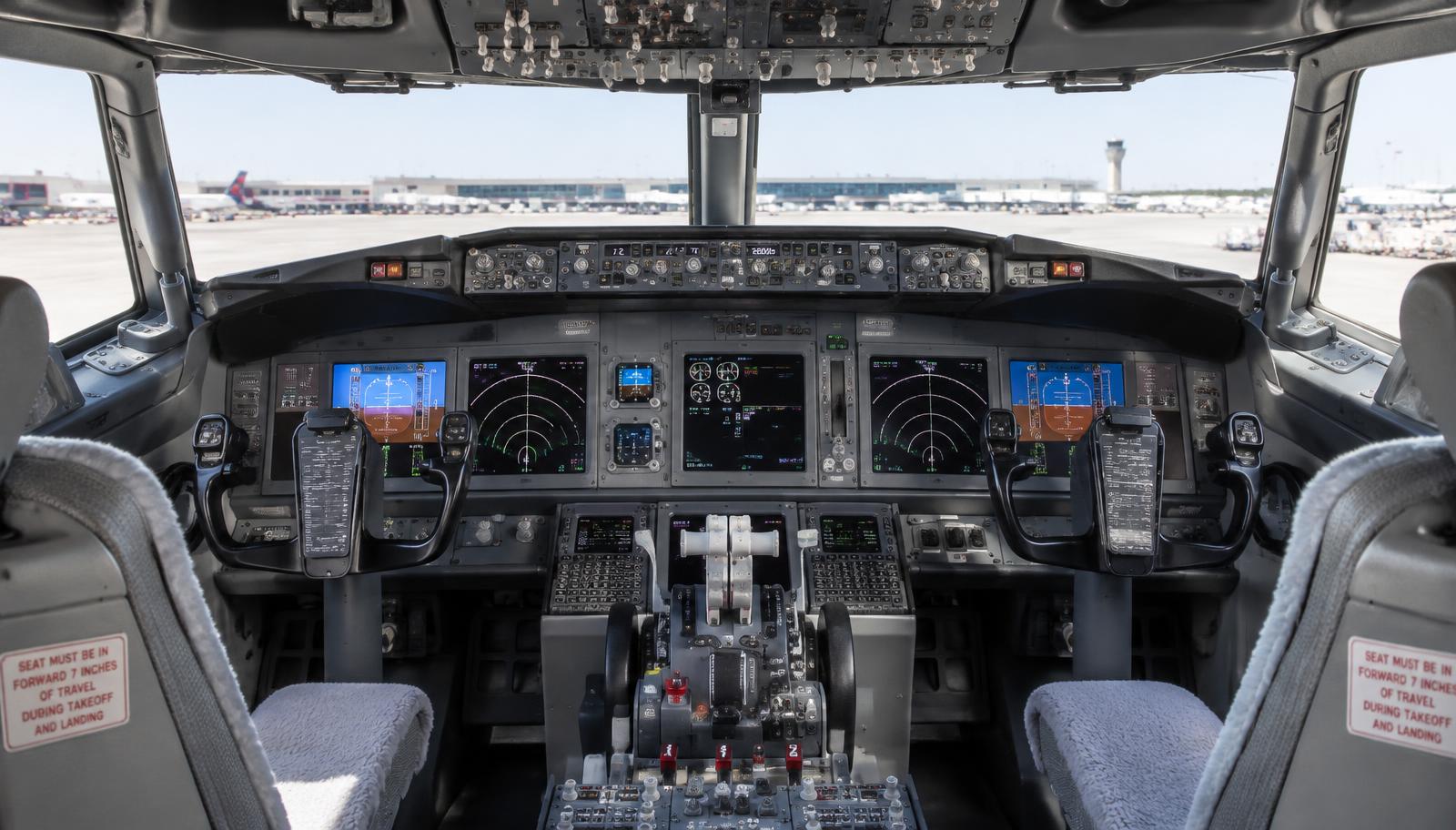
Two pilots sit in a cockpit that mixes traditional switches with modern screens. The pilots move the control column and wheel, which are connected to the control surfaces through hydraulic systems, with manual backup. The engines hang low under the wings, and the flat-bottomed engine intakes are a typical sign of the 737.
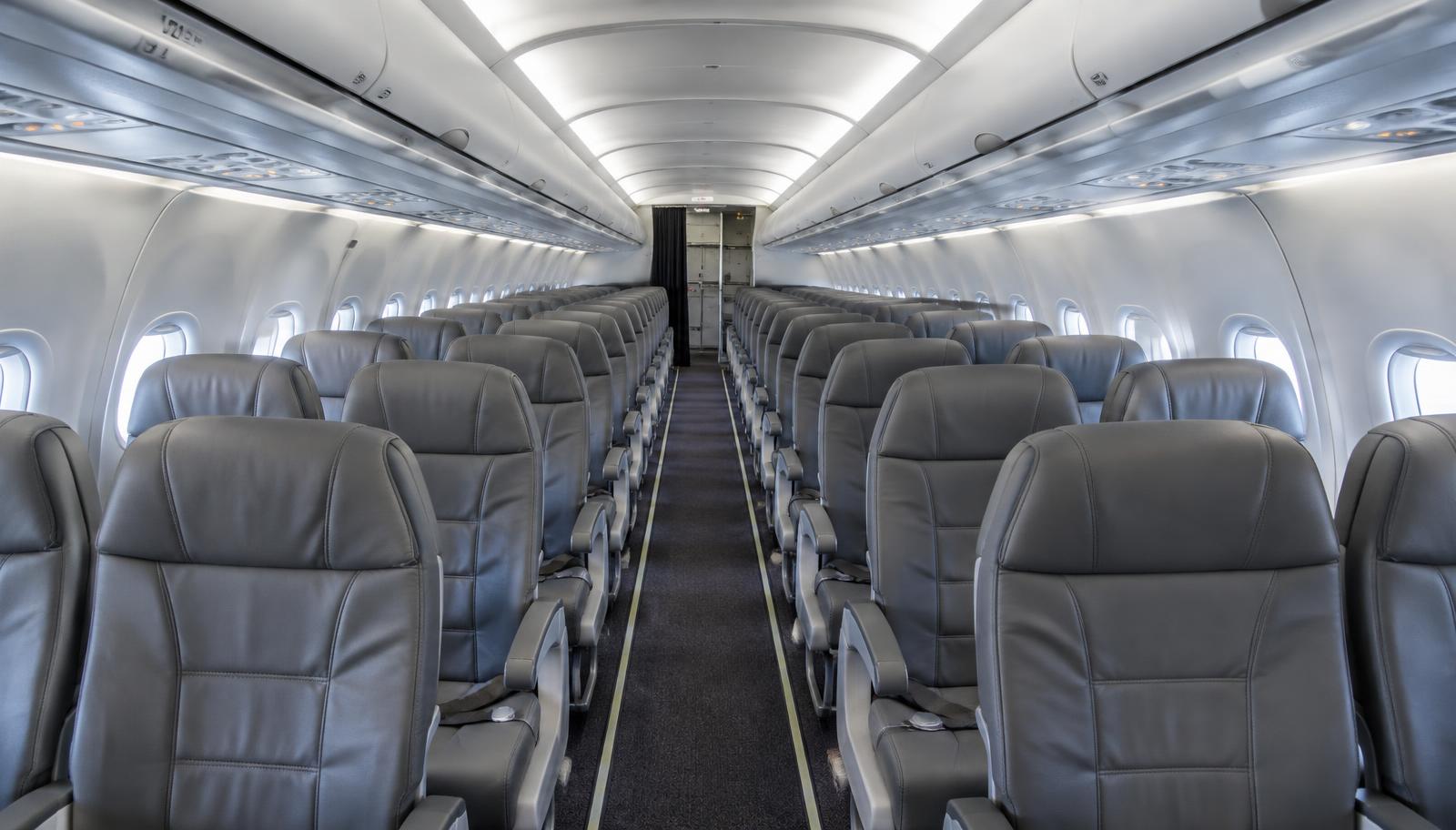
Passengers sit three plus three across a single aisle.
The 737 MAX
The MAX is the newest version with larger fuel-saving engines. After two accidents in 2018 and 2019, the whole fleet was grounded for almost two years while Boeing changed the flight control software, and pilot training was improved before it returned to service.
A design from the 1960s
When Boeing started the 737 in 1964, it was late to the short-haul market: the Douglas DC-9 and BAC One-Eleven were already flying. Boeing's answer was to reuse the wide fuselage of the 707 and 727, giving six-abreast seating instead of five. This made the 737 roomier and cheaper per seat, and it is a big reason it is still built today.
The 737 also sat low to the ground so it could be loaded without special equipment at small airports. That low stance later became a challenge when bigger engines had to fit under the wings.
Boeing's way of flying
In the 737, the control column moves the control surfaces through cables and hydraulic actuators. If all hydraulic power is lost, the pilots can still fly it by muscle power alone. The autothrottle physically moves the thrust levers, so the pilots can see and feel what the automation is doing.
This philosophy — the pilot has the final authority — is different from Airbus's computer protections. Both approaches have excellent safety records, and debates between pilots of the two types are a long-running tradition.
The low-cost revolution
Southwest Airlines built its business on flying only 737s: one type means one set of spare parts, one training programme and pilots who can fly any aircraft in the fleet. Ryanair copied the model in Europe and grew into one of the largest airlines in the world. Today many low-cost airlines operate fleets of hundreds of 737s.
Military and special versions
The 737 has served as the US Navy's P-8 Poseidon (anti-submarine and maritime patrol), the E-7 Wedgetail (airborne early warning radar), the C-40 Clipper (transport) and the T-43 navigator trainer. Business jets based on it — the Boeing Business Jet — carry heads of state and wealthy owners in private cabins.
The MAX crisis and recovery
Two 737 MAX accidents, Lion Air 610 in 2018 and Ethiopian 302 in 2019, killed 346 people. Investigators found that a new system called MCAS could repeatedly push the nose down based on a single faulty sensor, and that pilots had not been told enough about it. The MAX was grounded worldwide for about 20 months.
Boeing redesigned MCAS to compare two sensors and act only once, and pilot training was expanded. Aviation authorities also changed how they certify aircraft. The MAX returned to service from late 2020 and is again flying with airlines around the world.
EDUCATIONAL USE ONLY. Content is summarised from manufacturer documentation for learning. It is not approved flight or maintenance data. Always use the current, aircraft-specific POH/AFM, FCOM, QRH, AMM and operator procedures.