Real accidents and recurring accident types, grouped by aircraft system — what happened, the chain of causes, and what changed afterwards. Summaries only: open the official report for the full findings.
Unverified — check your manualText on this page is written from general knowledge. Figures marked ✓ are checked against official FAA/EASA data.See verified data
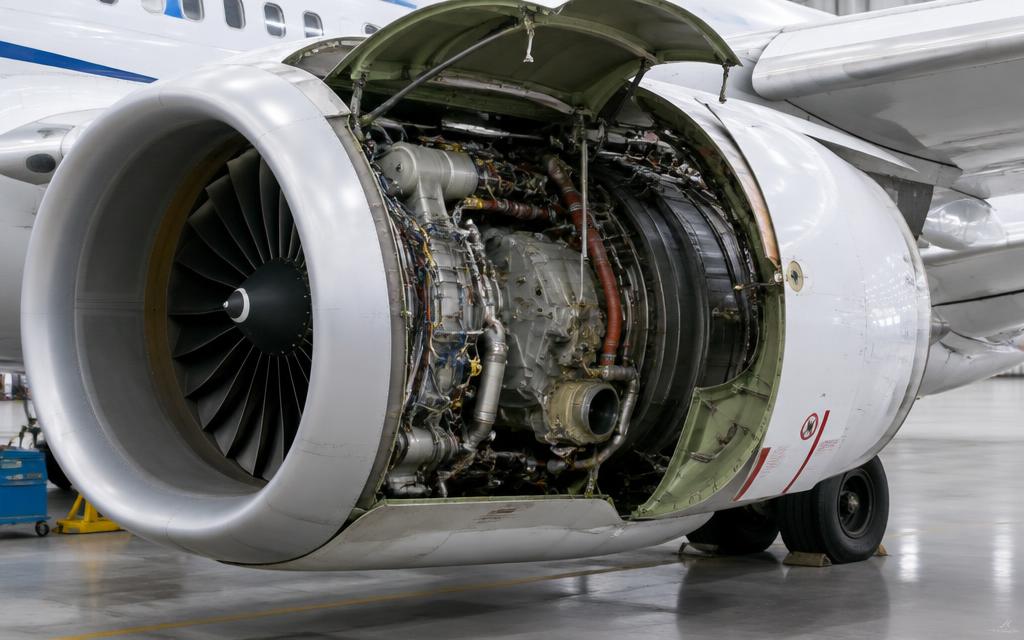
CFM56-7 with fan cowl open — note the flattened lower nacelle · illustrative image
What happened
A fan blade failed in the left engine. The crew believed the right engine was damaged and shut it down. The vibration seemed to stop when the autothrottle reduced power. On approach the left engine failed completely and the aircraft crashed short of the runway.
Chain of causes
1Crew's knowledge came from older 737s where the right engine fed the cabin air — smoke smell suggested the right one
2Small new-style electronic vibration gauges were not checked
3Cabin crew and passengers saw flames on the left but this was not passed to the flight deck
Lessons
Confirm the failed engine with all indications before shutting one down
Read the vibration and engine instruments, not assumptions
Cabin crew information matters — communicate
What changed afterwards
Engine-instrument layouts and crew resource management (CRM) training improved; seats and brace position research followed.
EDUCATIONAL USE ONLY. Content is summarised from manufacturer documentation for learning. It is not approved flight or maintenance data. Always use the current, aircraft-specific POH/AFM, FCOM, QRH, AMM and operator procedures.