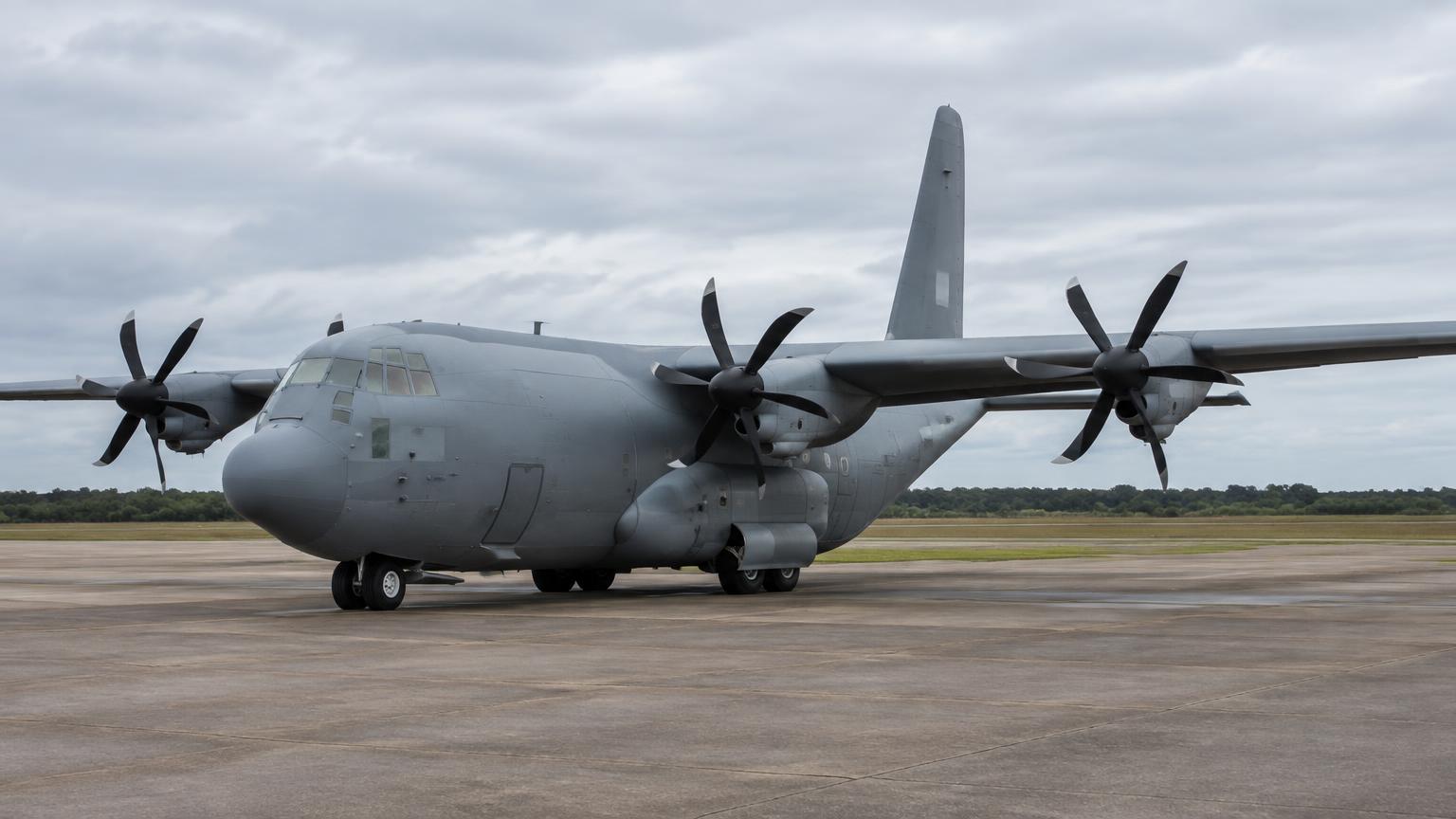
2 Oct 2015 · C-130J-30
Dyess C-130J Jalalabad — control blockage
Report: USAF AIB Report 10-5713
Where it is
Flight controls / Yoke
What it looks like
What happened
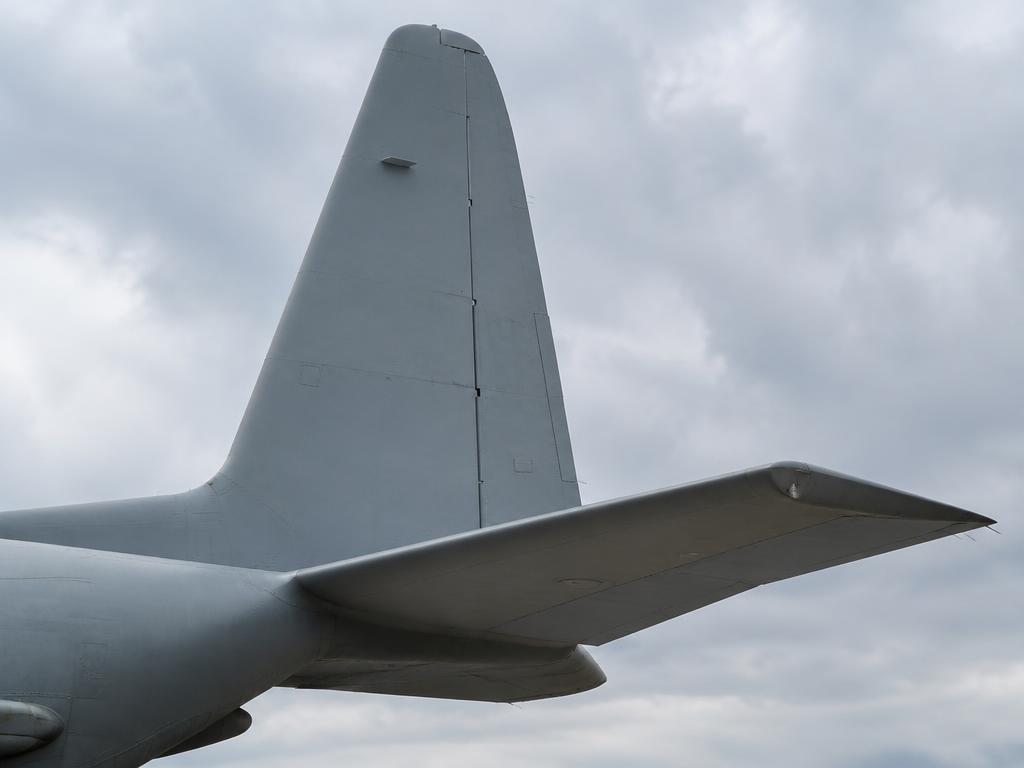
During a night takeoff from Jalalabad Airfield, the aircraft pitched up steeply, stalled, and crashed. The crew had intentionally placed a hard-shell NVG (Night Vision Goggle) case behind the yoke during cargo loading to hold the elevators up, but forgot to remove it before takeoff.
Chain of causes
- 1NVG case physically blocked the yoke from moving forward (pitch down) beyond a certain point
- 2Intentional deviation from standard procedures to facilitate loading in the cargo bay
- 3Lack of communication between the pilots and loadmasters during the loading-to-flight transition
- 4Sterile cockpit and control-check procedures were not effectively followed
Lessons
- Never place any object in the path of flight controls, even on the ground
- Conduct a full 'box' control check (freedom of movement) immediately before every takeoff
- Adhere strictly to C-130J checklists and 'sterile cockpit' rules during critical phases
- Recognize that temporary 'workarounds' for airframe loading can have fatal consequences if not reversed
What changed afterwards
USAF reinforced control-check training and issued safety bulletins regarding the placement of equipment in the cockpit.