ATA 21 Air Conditioning & Pressurization
Bleed air and air conditioning system
Uses engine (and APU, on the ground) bleed air to supply conditioned, temperature-controlled air to the cockpit and cargo compartment, and to pressurise the fuselage.
Location: Bleed air tapped from each engine compressor, ducted to air conditioning packs typically located in the fuselage/wheel-well area.
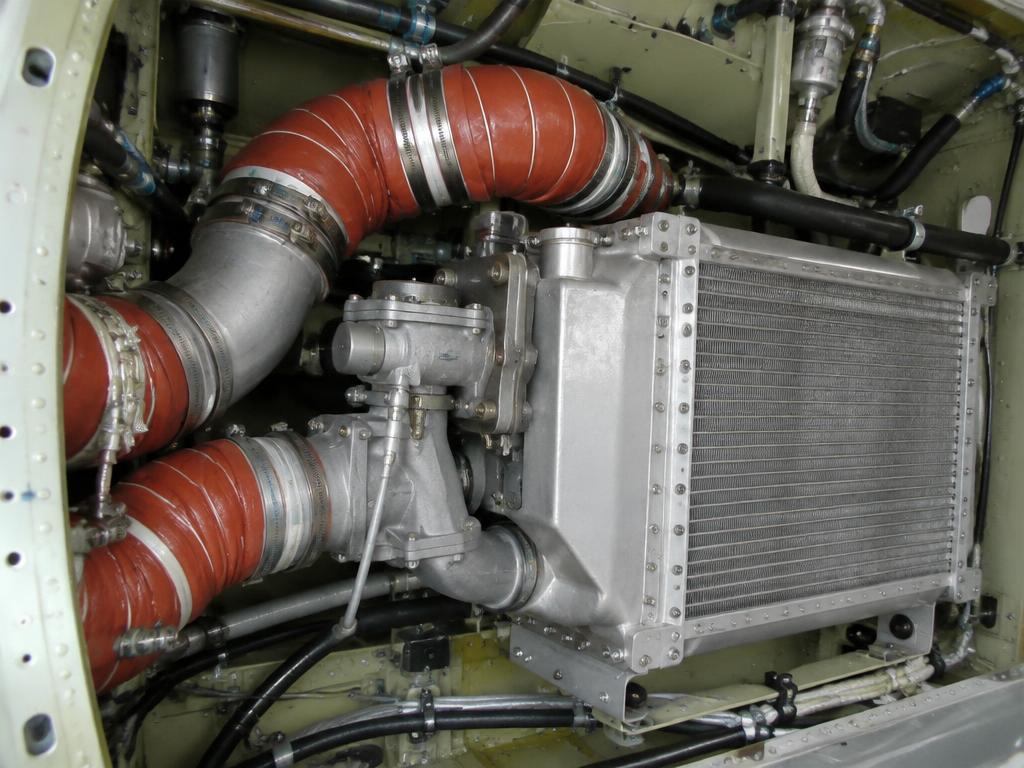
Where it is
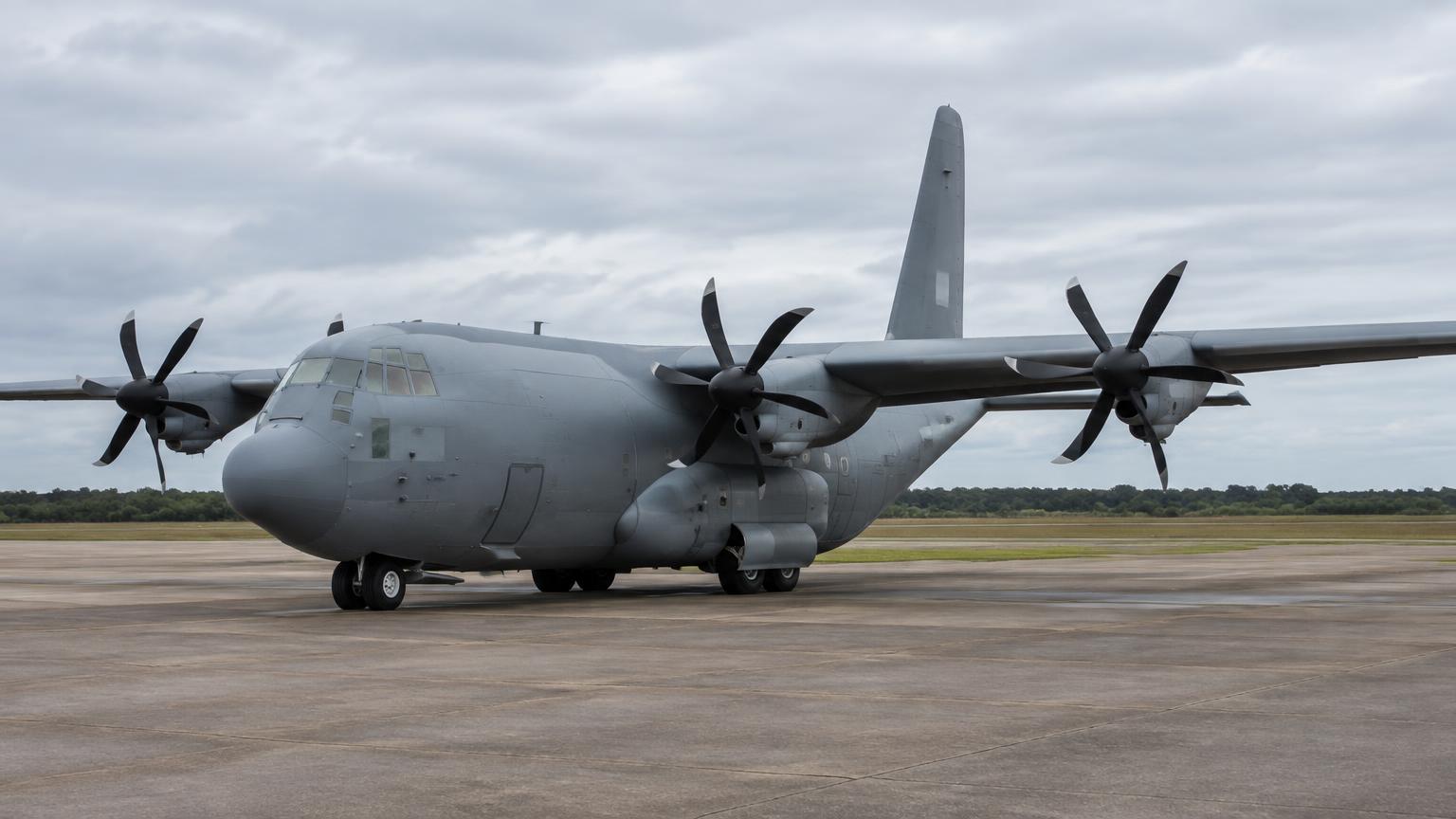
What it looks like
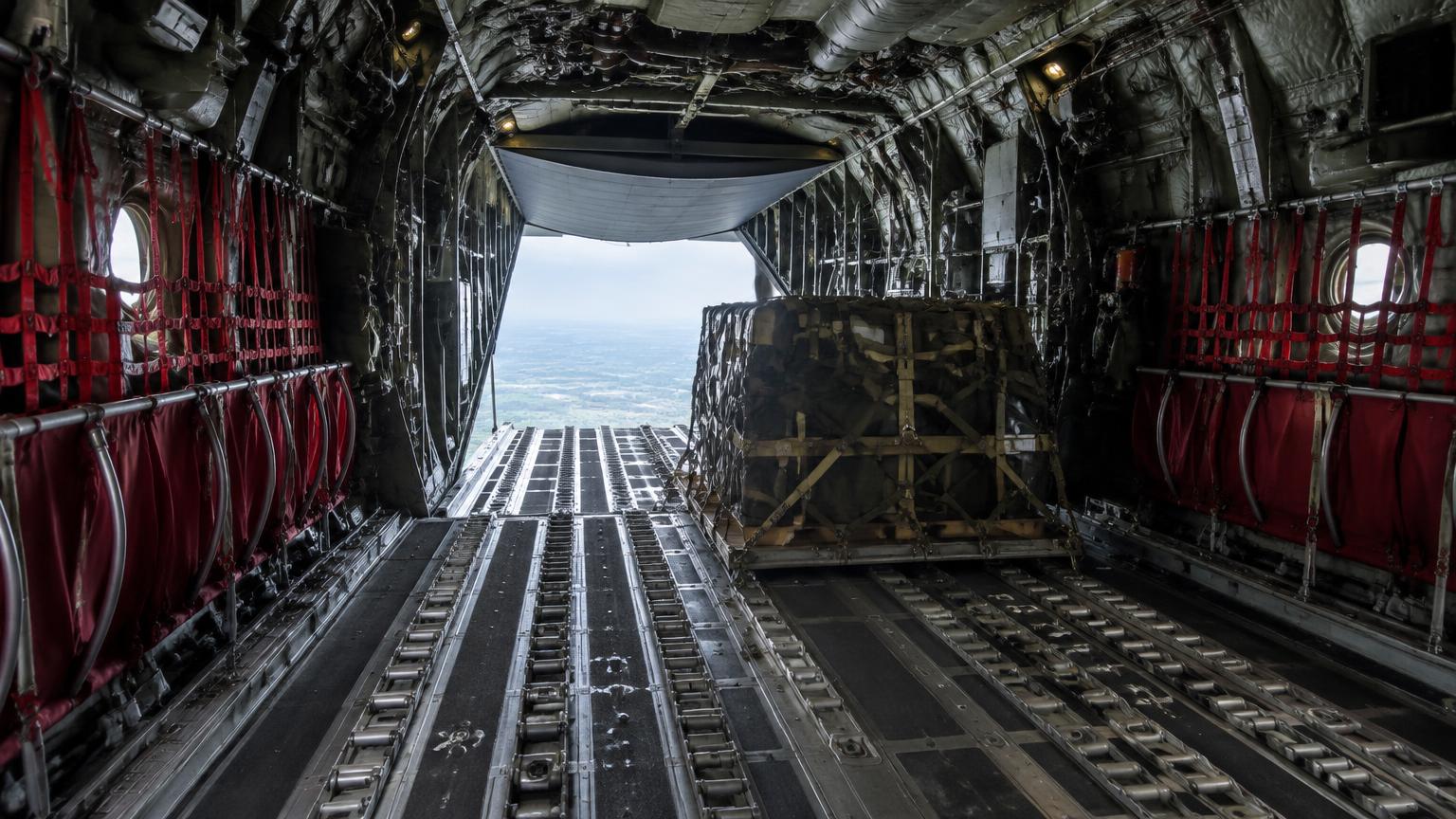
How it works
High-pressure, high-temperature bleed air is tapped from a compressor stage on each engine (and from the APU on the ground), with precoolers and pressure-regulating/shutoff valves controlling the bleed air pressure and temperature delivered into the distribution ducting.
Air conditioning packs (air-cycle machines) cool the hot bleed air by expanding it through a turbine-compressor unit and heat exchangers, producing cold air that is then mixed with warmer bleed air through a temperature control valve to achieve the crew-selected cockpit and cargo compartment temperatures.
Separate temperature control zones (cockpit and cargo/cabin) allow different conditions for the flight deck and the often much larger, variably loaded cargo compartment, which may carry anything from paratroops to pallletised cargo to litters.
Bleed air is also used for engine/wing anti-ice, for pressurising hydraulic reservoirs in some configurations, and to assist cross-bleed engine starting (using bleed air from a running engine or the APU to start another engine).
Construction
- Engine bleed ports with precoolers and shutoff/pressure-regulating valves.
- Bleed air ducting (insulated, with leak detection) through the wing and fuselage.
- Air conditioning packs (air-cycle machines) with heat exchangers.
- Temperature control valves and sensors per zone.
- Distribution ducting to cockpit and cargo compartment.
Interfaces with other systems
- Engine compressor bleed ports
- APU bleed air (ground operation)
- Pressurisation/outflow valve system
- Ice protection system (wing/engine anti-ice)
- Cockpit environmental control panel
Technical data
| Bleed source | Engine compressor stages, APU on ground |
| Cooling | Air-cycle machine (bootstrap) packs |
| Zones | Cockpit and cargo compartment, independently controlled |
| Additional uses | Anti-ice, cross-bleed start, reservoir pressurisation |
Failure modes
| Bleed duct leak | BLEED LEAK caution from duct overheat sensing; affected bleed source automatically or manually isolated. |
| Pack (ACM) failure | Loss of conditioned air from that pack; remaining pack(s) or ram air used as backup, cabin temperature control degraded. |
| Overtemperature bleed air | Precooler or valve fault; bleed source shut off automatically to protect ducting and structure. |
| Temperature control valve fault | Cockpit or cargo zone runs too hot/cold; manual override or alternate control mode used. |
Inspection
- Bleed duct leak detection system functional test.
- Precooler and valve functional/leak check.
- Pack (ACM) performance check.
- Duct insulation and clamp inspection.
Note
The cargo compartment conditioning system must cope with widely varying loads -- palletised freight, vehicles, paratroops or litters -- each with different thermal/ventilation needs.
Educational summary — verify against the component maintenance manual (CMM) and AMM.