warningATA 79 Oil
ENG 1(2) OIL LO PR
Engine oil pressure below the red line.
WARNING — immediate action. Red level: something that can quickly become dangerous. Act on it now, in the order given.
Where it is

Engine
What it looks like
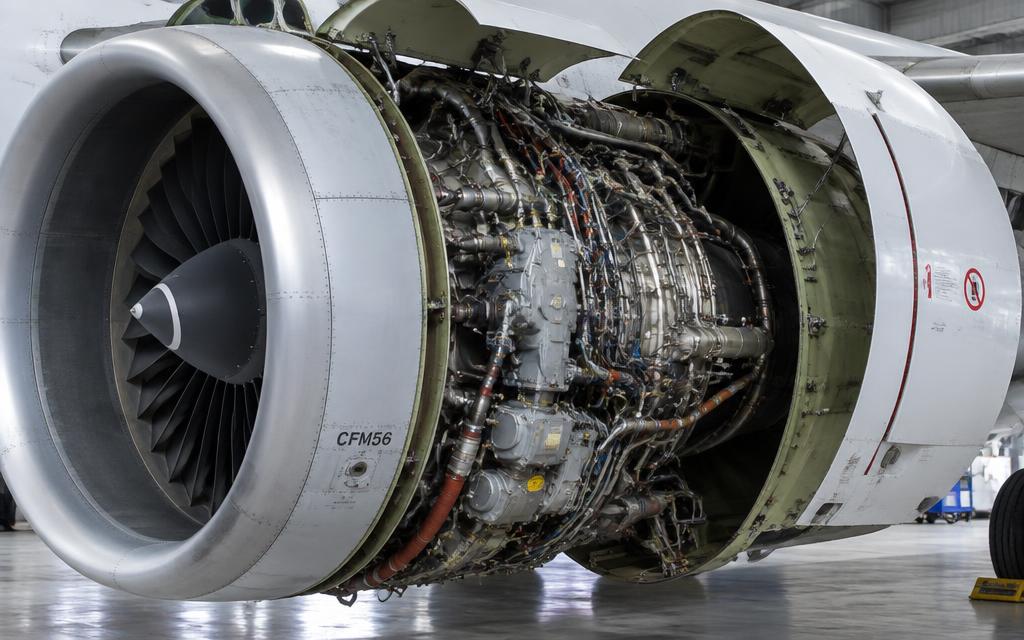
How to recognise it
- Message or light: ENG 1(2) OIL LO PR (warning).
- Engine oil pressure below the red line.
- On the A320 the ECAM shows the message, a MASTER WARN/CAUT light and the related system page.
- Cross-check other indications before acting — a single sensor can be wrong.
How to manage it
1 · First seconds — fly the aircraft
- 1.Pilot flying keeps control of the flight path; pilot monitoring identifies the failure and reads it out.
- 2.Silence the alarm only once the message is read and understood.
2 · Immediate actions
- 1.THR LEVER (affected) — IDLE
- 2.If confirmed: ENG MASTER (affected) — OFF
- 3.Follow ECAM ENG SHUT DOWN procedure
3 · Follow-up actions
- 1.Land at nearest suitable airport
4 · Plan & communicate
- 1.Normally: land at the nearest suitable airport. Declare an emergency (MAYDAY) if safety is threatened.
- 2.Tell ATC your intentions and inform the cabin crew (NITS briefing: nature, intentions, time, special instructions).
- 3.Review the approach and landing: speeds, distance, flap setting and what other systems are affected.
Likely causes
- Oil leak / loss
- Pump failure
- Sensor fault (check oil qty/temp)
Know the system
- Low oil pressure on an engine is a red warning — the ECAM procedure leads to an engine shutdown.
Crew technique
- Follow the ECAM: actions in blue, then STATUS. Use the QRH for procedures not on ECAM.
- Pilot monitoring reads; pilot flying confirms critical switches (engine master, fire handle, thrust lever) before they are moved.
- Brief the approach again once the checklist is complete.
Don't
- Do not rush — wrong switches in a hurry cause more accidents than the original fault.
- Do not continue the flight hoping it goes away.
- Do not reset circuit breakers in flight unless the procedure says so.
- Do not shut down an engine without confirming which one — check it with the other pilot (jets) or by gauges.
After landing — maintenance
- Oil system leak check
- Chip detector inspection
- Pressure transmitter test
- Write the fault in the aircraft technical log with time, phase of flight and indications.
- Maintenance checks the MEL before the next flight.
REF: FCOM PRO-ABN-79