
Back to dashboard
Sections menu

Airbus A320ceo / neo · Maintenance

Maintenance & fault isolation

Inspection programme by ATA chapter and step-by-step troubleshooting trees, in the style of an AMM / FIM.

Unverified — check your manualText on this page is written from general knowledge. Figures marked ✓ are checked against official FAA/EASA data.See verified data

Inspection programme

WhereIntervalATATaskReference
Fuselage
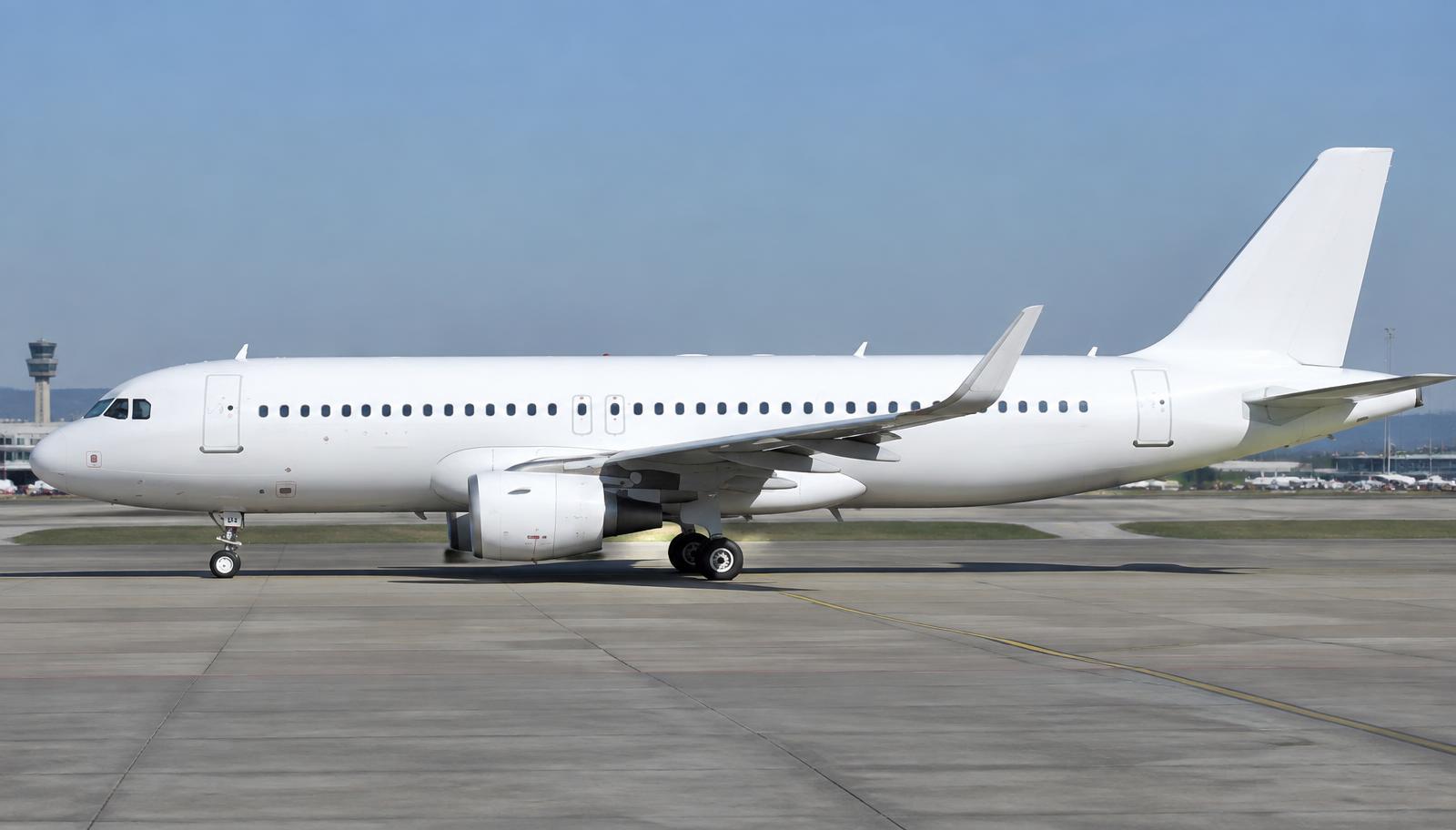
Daily / 48 hr05Daily check: walkaround, fluid levels, tyre pressures, brake wear pinsMPD / AMM 05-51
Fuselage
Weekly05Weekly check incl. engine oil replenishment, IDG levelsMPD
Fuselage
~750 FH / 120 days05A-check (operator-dependent block)MPD Section 1
Fuselage
~24 months05C-check: detailed zonal, structural (SSID) and systems tasksMPD / MRB Report
Fuselage
6 yr / 12 yr05Heavy structural checks (6Y / 12Y)MRB Report
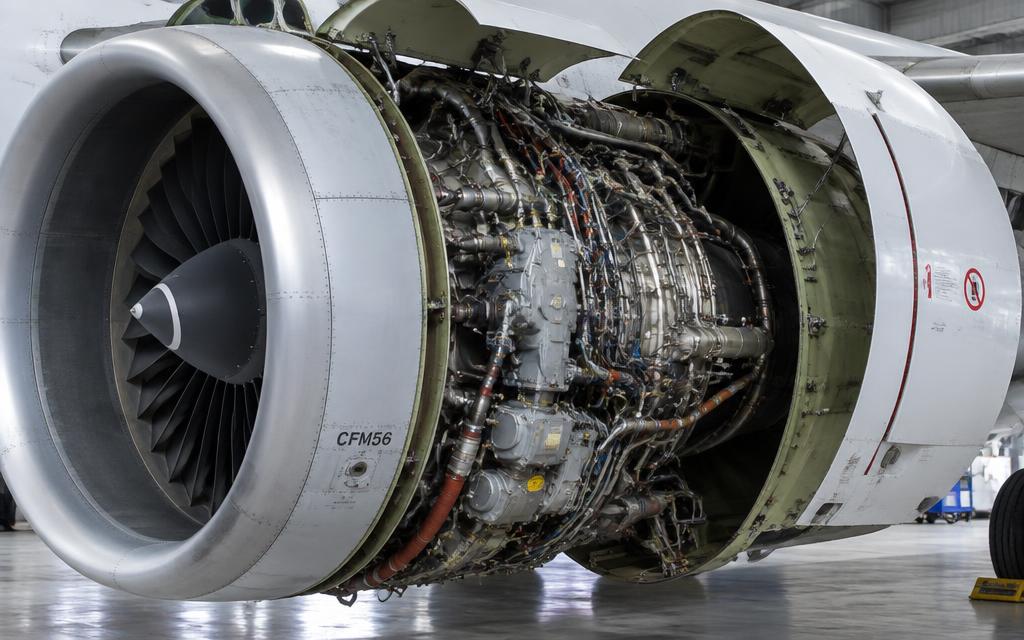
CFM56 with fan cowls open — accessory gearbox, pipes and harnesses
On condition72Engine borescope per EGT margin trend / ECMCFM/IAE ESM
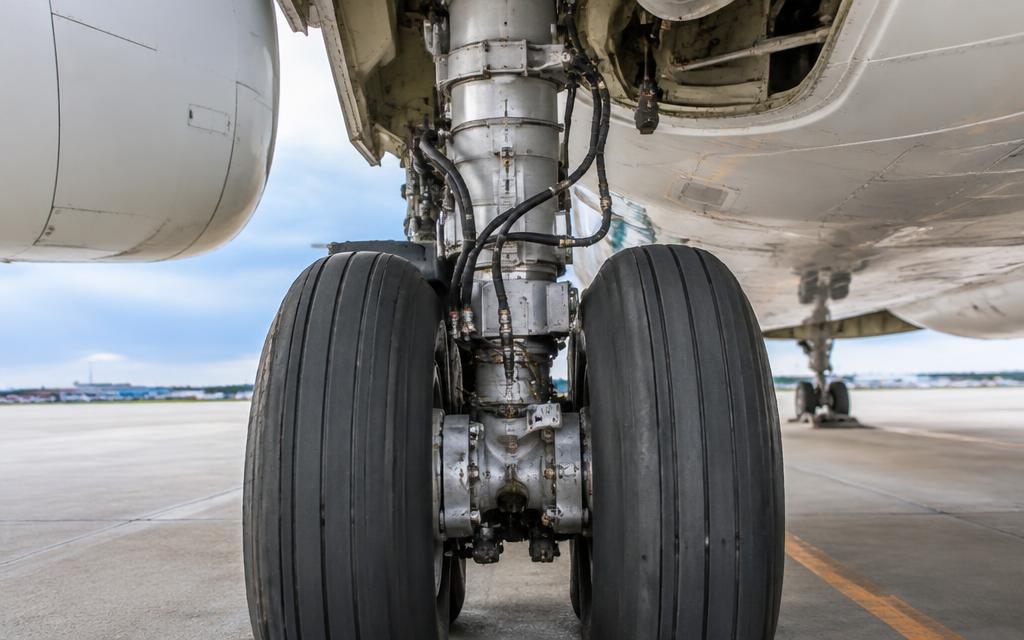
Nose gear with twin wheels, steering and lights
As per MPD32Brake wear pin check, wheel change on wear limitAMM 32-42
Main gear — twin wheels, carbon brakes, oleo strut and hydraulic lines
As per MPD29Hydraulic fluid sampling (contamination, water)AMM 29-00
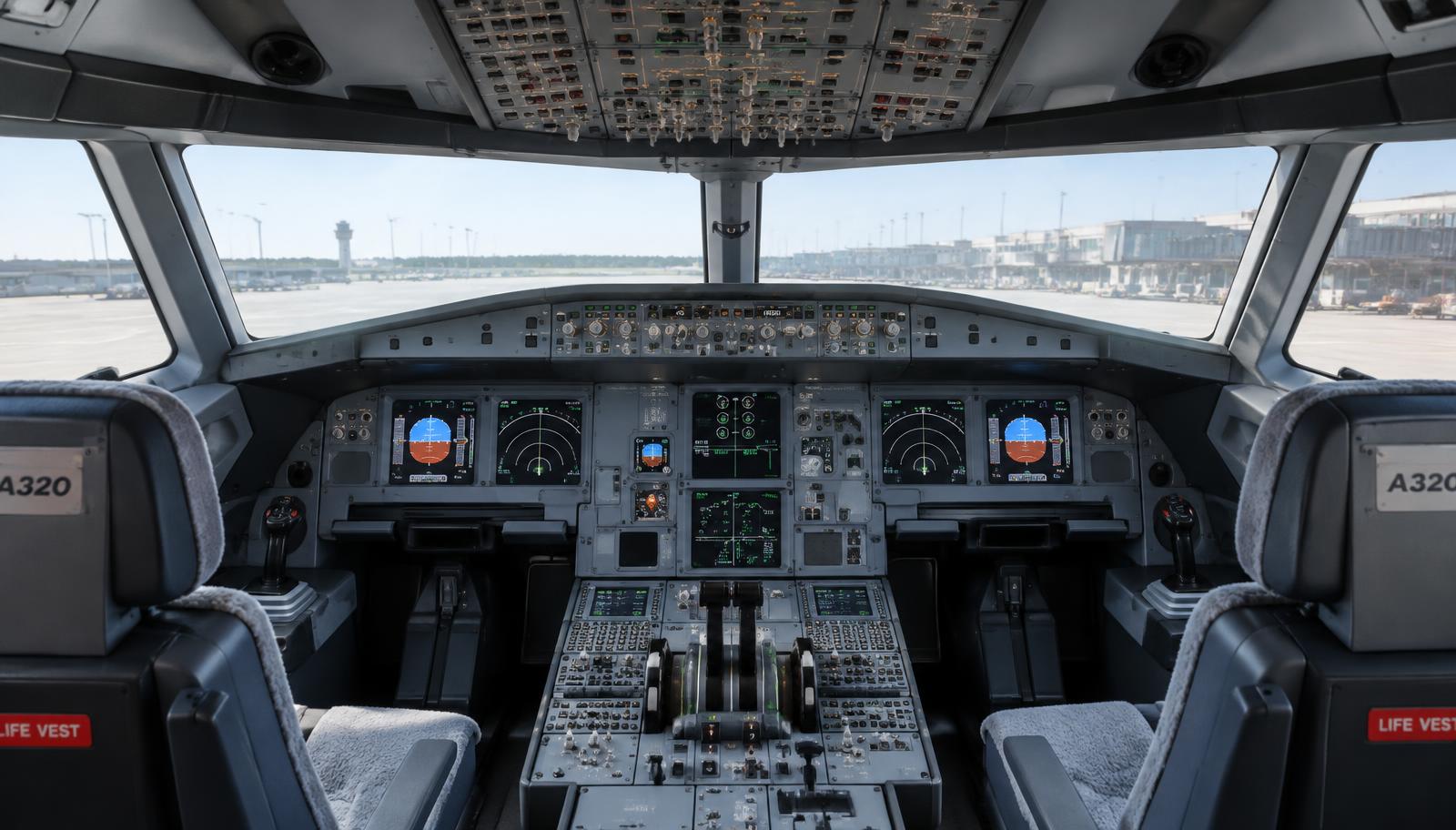
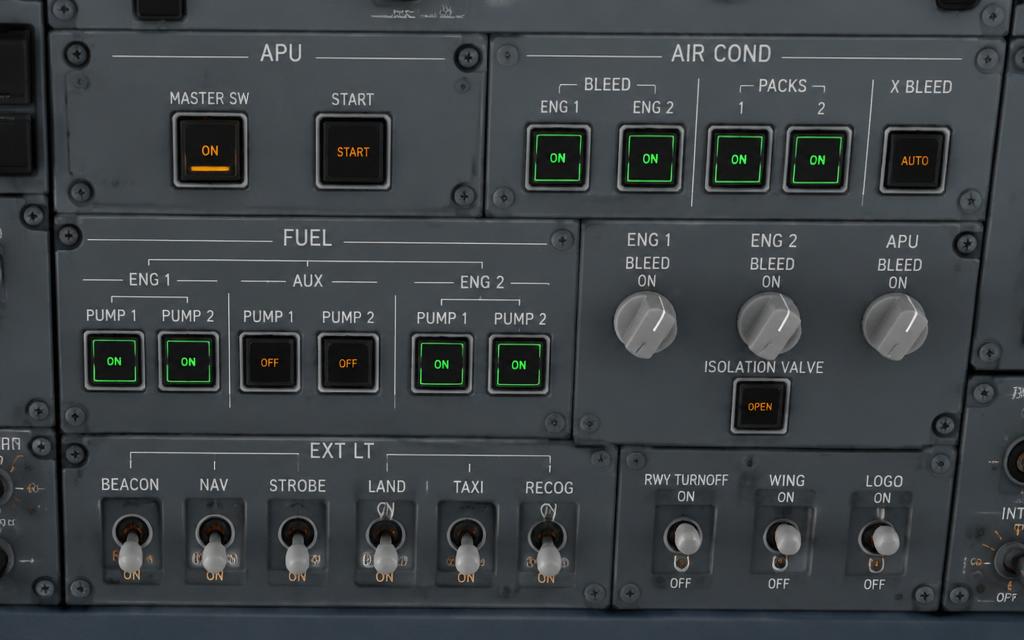
Overhead panel: APU, AIR COND, FUEL, EXT LT
As per MPD26Fire bottle squib and pressure checksAMM 26-21

Task cards

Step-by-step maintenance tasks with access, tools, limits and warnings — in the style of an AMM task card.

Pressurisation & outflow valve operational test

ATA 21 · Per MPD

Access · Flight deck; external access to outflow valve

Tools & materials · CFDS / MCDU · Ground power

Warning · Keep hands clear of the outflow valve doors during test.

  1. 1.Run the CPC BITE from the MCDU via CFDS and check no faults recorded.
  2. 2.Select MODE SEL MAN; operate MAN V/S CTL up and down; observe the outflow valve moving on the SD CAB PRESS page and visually.
  3. 3.Return MODE SEL to AUTO; confirm the valve moves to its auto position.
  4. 4.Inspect the valve doors for damage and seals for wear.
Valve travelFully open to fully closed, smooth

Ref: A320 AMM 21-31-00

IDG oil level check & servicing

ATA 24 · Weekly / per MPD

Access · Engine fan cowl opened

Tools & materials · IDG servicing kit (pressure fill) · Approved oil (MIL-PRF-23699) · Lint-free cloth

Warning · Fan cowl opening in wind > limit is prohibited — secure the hold-open rods.

  1. 1.Engine shut down at least 5 min (IDG oil must settle; hot oil overfills reading).
  2. 2.Open the fan cowls and read the IDG sight glass: green band = OK, yellow = overfill, below = service.
  3. 3.To service: connect fill hose to the fill valve, overflow hose to the overflow drain; pump oil until it flows out the overflow, then stop.
  4. 4.Disconnect, cap, check for leaks, close cowls.
Oil typeMIL-PRF-23699 / approved list
Differential pressure indicatorReplace filter if popped

Ref: A320 AMM 24-21-00

Engine fire bottle pressure check

ATA 26 · Per MPD (weekly / A-check)

Access · Pylon access panels

Tools & materials · Pressure/temperature chart · Thermometer

Warning · Squibs are explosive devices — fit shorting plugs and follow ESD precautions.

  1. 1.Read the bottle pressure gauge.
  2. 2.Measure ambient temperature and compare with the pressure-temperature chart.
  3. 3.Check the discharge indicator disc is intact.
  4. 4.Check the squib connectors and safety cap.
Nominal pressure @ 21 °Capprox. 600 psi (per chart)

Ref: A320 AMM 26-21-00

Fuel tank water drain

ATA 28 · Daily / per MPD

Access · Under the wing

Tools & materials · Drain tool · Clear container · Water detection paste/capsules

  1. 1.After the fuel has settled (min 2 h preferred), open each sump drain valve with the tool.
  2. 2.Collect fuel until it runs clear; test with water detection capsules.
  3. 3.Close the valve, check it does not leak.
  4. 4.Record the result in the technical log.
Free waterNone allowed after draining

Ref: A320 AMM 12-13-28

Hydraulic reservoir servicing

ATA 29 · As required

Access · Ground service panel (green/blue/yellow)

Tools & materials · Hand pump with filter · Phosphate-ester fluid

Warning · Wear eye protection; Skydrol damages paint and wiring insulation.

  1. 1.Depressurise systems; reservoir must be at normal (not pressurised) status.
  2. 2.Read reservoir level against the 'refill' scale corrected for the accumulator pressure.
  3. 3.Connect the hand pump to the selected reservoir fill coupling via the selector valve.
  4. 4.Pump to the NORMAL FILL line.
  5. 5.Disconnect and fit caps.
Green reservoirapprox. 14 L
Blue reservoirapprox. 6 L
Yellow reservoirapprox. 12 L

Ref: AMM 12-12-29

Main gear tyre pressure check

ATA 32 · Daily

Access · Gear accessible on ground

Tools & materials · Calibrated tyre gauge · Nitrogen cart

Warning · Stand at the side, never in front of the wheel — a failed wheel can explode outward.

  1. 1.Check cold tyres only (at least 3 h after flight, or compensate).
  2. 2.Compare reading with the placard pressure for the aircraft weight.
  3. 3.Inflate with dry nitrogen only.
  4. 4.If 5–10 % below: inflate and record; recheck in 24 h. >10 %: remove tyre (and the companion on the same axle if it rolled under-inflated).
Loss allowed per 24 h5 %
Hot tyre pressureup to +10 % above cold

Ref: AMM 12-14-32

Brake wear pin check

ATA 32 · Daily / weekly check

Access · Visual at wheel

Tools & materials · Torch · Ruler

  1. 1.Parking brake ON (pressurises the brake).
  2. 2.Measure the exposed length of each wear indicator pin.
  3. 3.If the pin is flush with or below the housing face, schedule brake replacement.
Wear pinmust protrude from the housing (min 0 mm)

Ref: AMM 32-42-27

APU oil level check

ATA 49 · Daily / per MPD

Access · APU access doors, tail cone

Tools & materials · Approved oil · Gravity fill or pressure fill kit

  1. 1.APU shut down at least 5 min (or within limits per AMM).
  2. 2.Open the APU access doors and read the sight glass, or use the ECAM APU page low-oil-level indication.
  3. 3.Service through the gravity fill port to FULL.
  4. 4.Close doors and record.
OilMIL-PRF-23699

Ref: A320 AMM 12-13-49

Engine oil servicing (CFM56-5B)

ATA 79 · Daily / as required

Access · Fan cowl oil service door

Tools & materials · Approved oil (e.g. Mobil Jet Oil II) · Gravity fill can or pressure servicing cart

Warning · Engine oil is toxic; avoid skin contact. Hot oil may spray if the cap is removed too early.

  1. 1.Wait 5–60 min after shutdown — oil level reads correctly only in that window.
  2. 2.Open the oil service access door; check level on the sight gauge.
  3. 3.Remove filler cap slowly (tank may be pressurised).
  4. 4.Fill to the FULL mark. Do not overfill.
  5. 5.Reinstall cap and check it is locked. Close the door.
  6. 6.Record quantity added for oil consumption monitoring.
Max oil consumptionapprox. 0.4 qt/h (trend monitored)

Ref: AMM 12-13-79

Fault isolation trees

ATA 29

HYD G SYS LO PR

ECAM caution: green hydraulic system low pressure

Where it is

Location of HYD G SYS LO PR
HYD G SYS LO PR

What it looks like

Main gear — twin wheels, carbon brakes, oleo strut and hydraulic lines
Main gear — twin wheels, carbon brakes, oleo strut and hydraulic lines · illustrative image

Is there also HYD G RSVR LO LVL?

Ref: FCOM PRO-ABN-29; TSM 29

ATA 36

AIR ENG BLEED FAULT

Bleed fault on one engine

Where it is

Location of AIR ENG BLEED FAULT
AIR ENG BLEED FAULT

What it looks like

Overhead panel: APU, AIR COND, FUEL, EXT LT
Overhead panel: APU, AIR COND, FUEL, EXT LT · illustrative image

Is the fault due to overtemperature (precooler outlet high)?

Ref: FCOM PRO-ABN-36; TSM 36

EDUCATIONAL USE ONLY. Content is summarised from manufacturer documentation for learning. It is not approved flight or maintenance data. Always use the current, aircraft-specific POH/AFM, FCOM, QRH, AMM and operator procedures.