warningATA 71 Power Plant
ENG 1 FIRE
Fire detected in the No.1 (Arriel 2E) engine bay. Red CAS message, master warning, aural tone.
WARNING — immediate action. Red level: something that can quickly become dangerous. Act on it now, in the order given.
Where it is
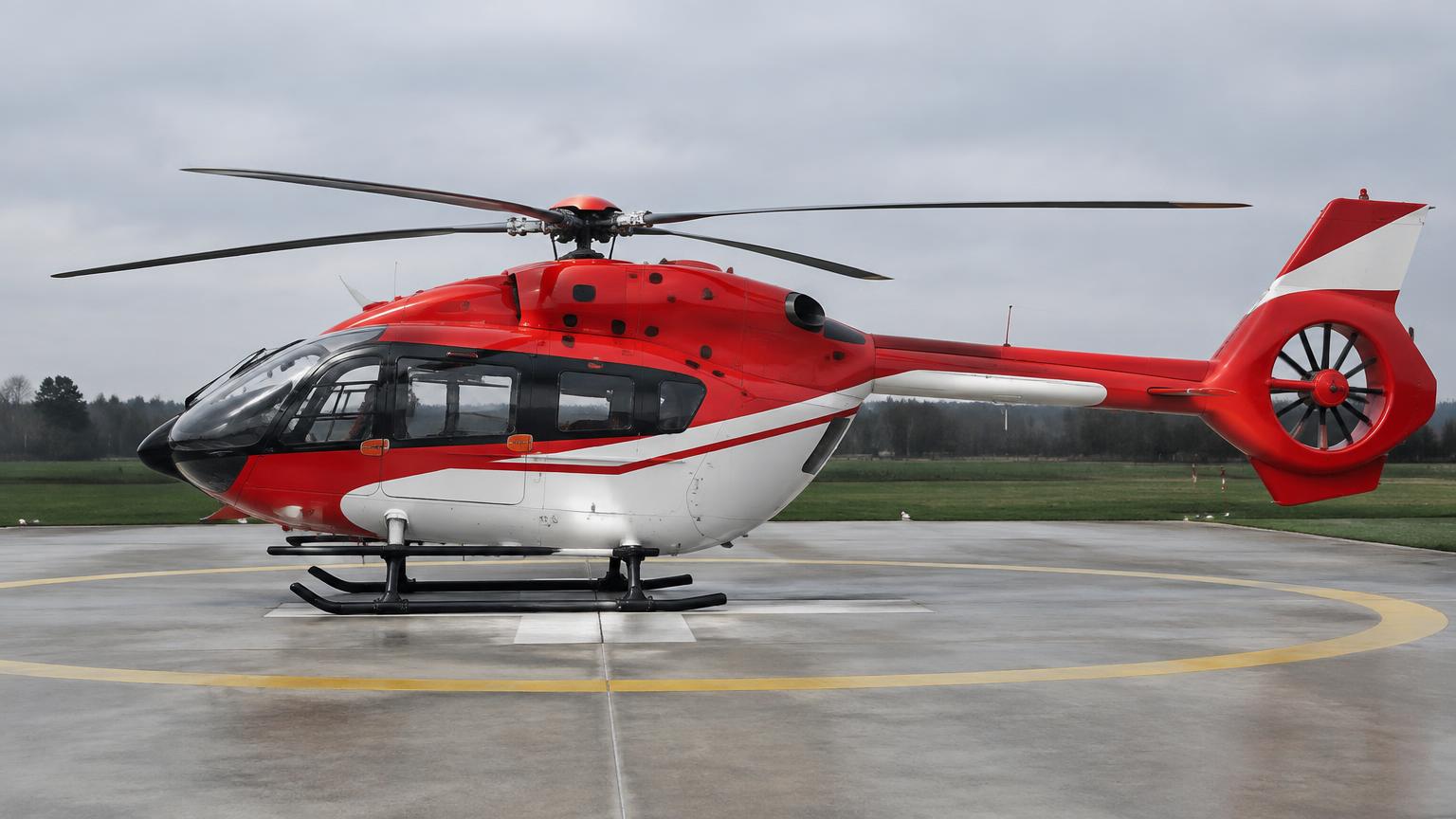
Powerplant / fire protection
What it looks like
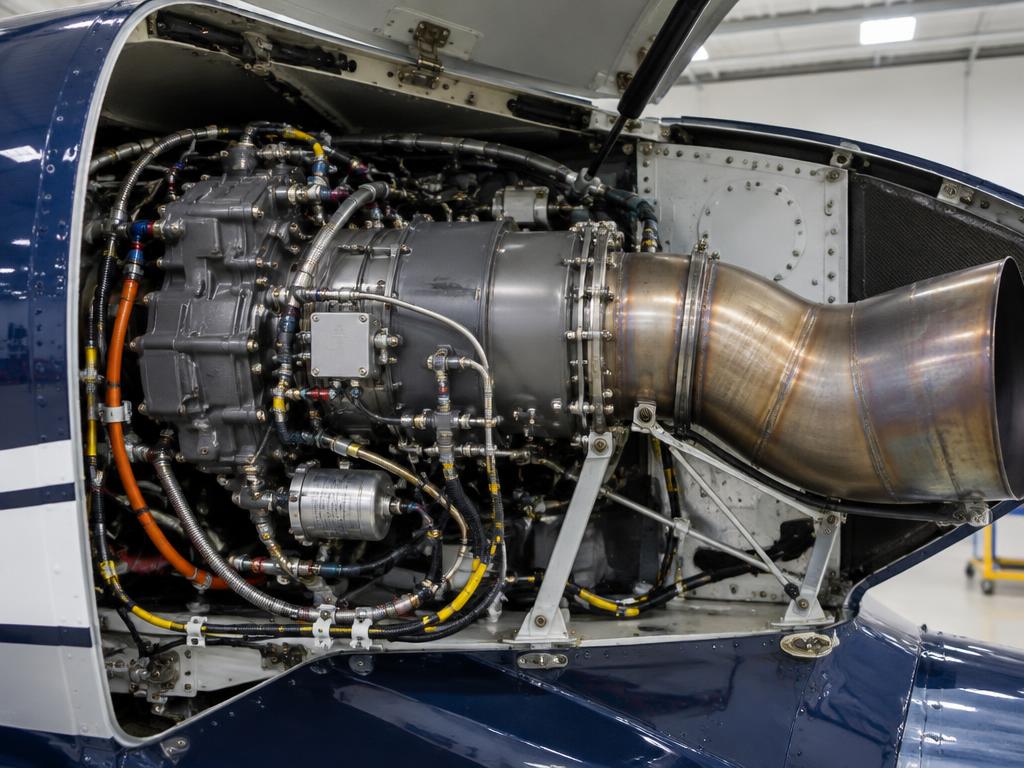
How to recognise it
- Annunciator / CAS message: 'ENG 1 FIRE'
- Master Warning (red) flashing and aural tone (bell/clacker/gong).
- Abnormal gauge reading or system behavior.
- Warning light on the main panel.
How to manage it
Recognition
- 1.Annunciator / CAS message: 'ENG 1 FIRE'
- 2.Master Warning (red) flashing and aural tone (bell/clacker/gong).
- 3.Abnormal gauge reading or system behavior.
- 4.Warning light on the main panel.
Technique
- 1.Aviate: Fly the aircraft first. Keep it level and at a safe speed.
- 2.Navigate: Point the aircraft away from terrain and toward a safe landing area.
- 3.Communicate: Tell the other pilot (or ATC) what is happening.
- 4.Checklist: Only then start the emergency checklist or memory items.
Likely causes
- Fuel or oil leak onto a hot section
- Bleed duct failure
- Detection loop fault (rare false warning)
Know the system
- Two Arriel 2E engines with dual-channel FADEC; losing one leaves the aircraft in OEI (one engine inoperative) flight with time-limited 30-sec/2-min/continuous ratings shown on the FLI.
Crew technique
- Follow the RFM emergency/malfunction procedure for the message; apply memory items (e.g., engine fire, OEI, tail rotor drive failure) immediately, then confirm with the checklist.
- Single-pilot technique: keep one hand on the collective/cyclic at all times, say each action aloud, and only move a critical switch (fuel shutoff, fire handle, GEN/HYD switch) after a deliberate identify-confirm-action sequence.
- Two-crew/HEMS ops: PM reads the CAS/checklist and backs up PF's selections; brief the landing site and category (land immediately / as soon as possible / as soon as practicable) early.
Don't
- Do not rush — wrong switches in a hurry cause more accidents than the original fault.
- Do not continue the flight hoping it goes away.
- Do not reset a circuit breaker more than once.
After landing — maintenance
- Fire loop and detector test
- Engine bay and fire sleeve inspection
- Bottle replacement/recharge
- Write the fault in the aircraft technical log with time, phase of flight and indications.
- Maintenance checks the aircraft and downloads data (FADEC/Mission Computer) before the next flight.
REF: H145 RFM — Engine Fire