ATA 21
Heating & Ventilation
Unpressurised cabin. Heat comes from a shroud around the exhaust muffler; fresh air enters through wing-root and door vents.
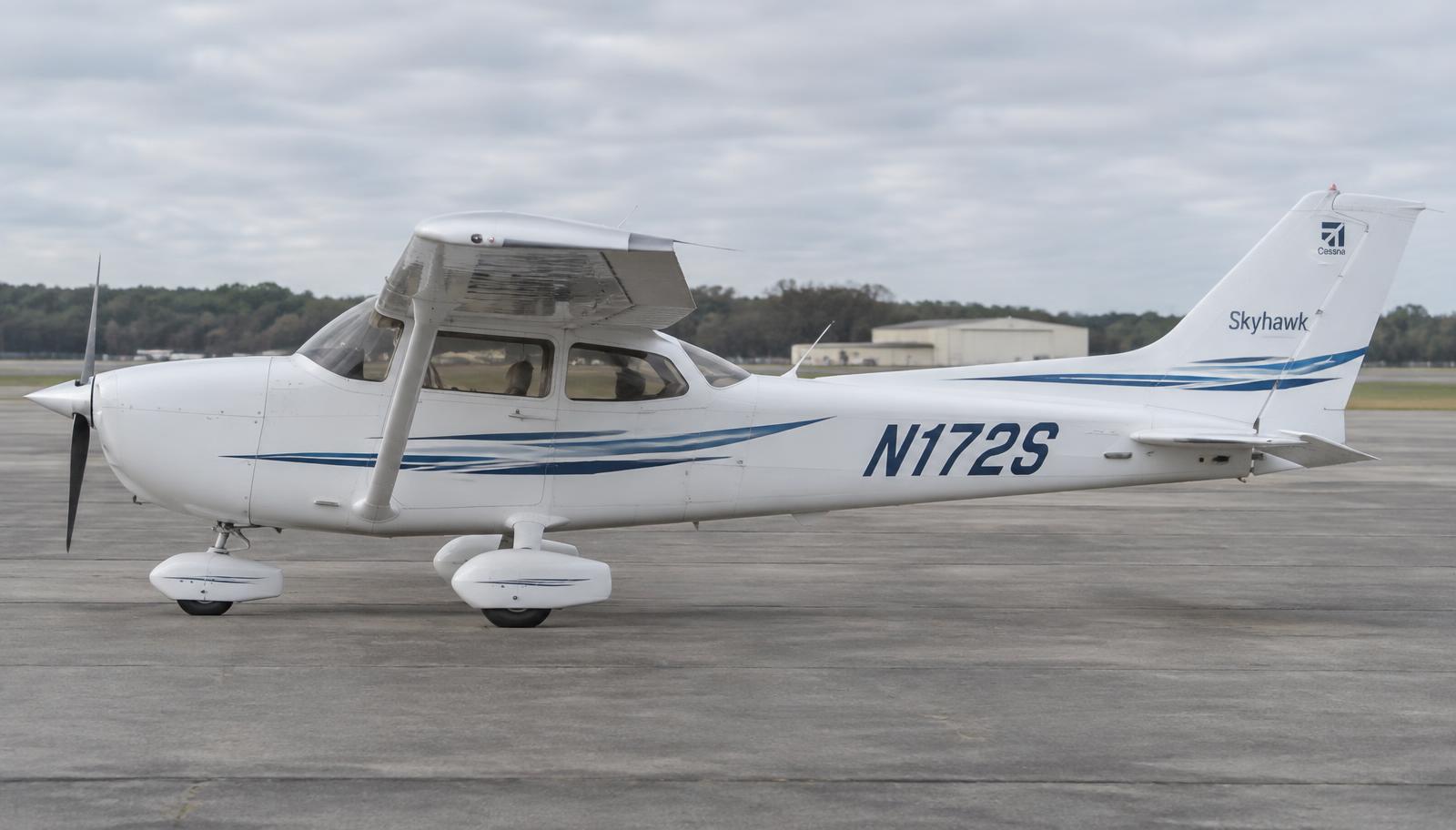
Where it is
Technical data
| Item | Value |
|---|---|
| Heat source | Exhaust muffler shroud |
| Controls | CABIN HT / CABIN AIR push-pull |
| Pressurisation | None |
Components
1.Muffler heat shroud
Sheet-metal jacket around the muffler; ram air passes between shroud and muffler and is heated.
A sheet-metal jacket wrapped around the Lycoming IO-360's exhaust muffler, mounted low on the engine beneath the cowling. It forms the hot-air source for cabin heat and carburetor/induction warmth is not used here since the IO-360 is fuel injected, but cabin heat relies entirely on this shroud.
- Ram air enters the shroud through an inlet duct and flows through the annular gap between the muffler outer wall and the shroud, picking up heat by convection from the muffler surface.
- The heated air is ducted forward through flexible SCAT hose to the firewall heater valve.
- Because the air only contacts the outside of the muffler, an exhaust leak inside the muffler can push carbon monoxide into the cabin air supply, which is why shroud integrity is safety-critical.
| Location | Exhaust muffler, engine compartment |
| Heated air temp | Approx. 150-200 F at outlet in cruise |
| Duct material | Aluminized steel shroud, SCAT hose ducting |
- Muffler internal crack: CO can enter cabin heat air; crew smells exhaust or gets CO detector alert, must shut off cabin heat immediately
- Shroud corrosion/dents: Reduced heat output, slow cabin warm-up
- Annual inspection for muffler cracks, pinholes, and shroud security per AD-driven exhaust inspection
2.Heater valve (firewall)
Flapper valve on the firewall controlled by the CABIN HT knob.
A flapper-type valve mounted on the firewall of the Cessna 172S, at the point where the heated-air duct from the muffler shroud passes into the cabin.
- The CABIN HT knob on the instrument panel is connected by a Bowden (push-pull) cable to the valve flapper.
- Pulling the knob rotates the flapper open, allowing heated shroud air to flow into the cabin distribution ducts; pushing it in closes the flapper and routes air overboard or shuts flow.
- The valve has no electrical or pneumatic actuation, it is a simple mechanical cable-operated flap, so cable fraying or disconnection is the main failure path.
| Location | Firewall, behind instrument panel |
| Actuation | Manual cable, CABIN HT knob |
| Travel | Full open to full closed, no intermediate detents on early models |
- Cable binding or disconnect: Knob moves but no heat change, or valve stuck full open/closed
- Valve flapper seal wear: Heat always partially on even with knob closed, unwanted warm air in cabin
- Verify full and free valve travel with knob actuation during annual inspection
3.Cabin air valve
Mixes outside ram air with heated air, controlled by CABIN AIR.
A mixing valve in the Cessna 172S cabin air distribution system that blends unheated ram outside air with the heated air from the firewall heater valve, controlled from the panel by the CABIN AIR knob.
- Outside ram air enters through a NACA-style inlet and is ducted to this valve independent of the heater circuit.
- The CABIN AIR knob, via cable, opens or closes the mixing valve to proportion cold ram air into the cabin vents and defrost outlets.
- Combined with the heater valve position, the pilot can tailor cabin temperature by blending hot and cold air streams rather than through any thermostatic control.
| Location | Firewall/cabin air distribution manifold |
| Control | CABIN AIR panel knob, cable actuated |
| Function | Cold air mixing, no heating element itself |
- Cable seizure: Cabin air temperature cannot be adjusted, stuck hot or cold
- Lubricate and check cable travel at annual inspection
4.Wing-root vents
Adjustable 'eyeball' ram-air vents fed from wing leading-edge inlets.
Adjustable 'eyeball' style ram-air vents located at the wing root of each wing, just outboard of the cabin on the Cessna 172S, feeding fresh outside air directly to each front-seat occupant.
- Ram air is captured by small leading-edge wing inlets and ducted inboard through flexible hose to the eyeball vent in the cabin sidewall.
- Each vent can be rotated to direct airflow and has a shutoff feature by twisting the ball closed.
- Airflow rate depends entirely on aircraft forward speed and inlet ram pressure, there is no fan assistance.
| Location | Wing root, cabin sidewall at shoulder height |
| Flow source | Wing leading-edge ram air inlet |
| Control | Rotating eyeball vent, open/shut twist |
- Duct hose cracking: Reduced or no airflow to vent despite being open
- Vent ball seized: Cannot close vent, unwanted draft in cabin
- Inspect duct hoses for cracks and vent ball for free rotation during annual
Operation
- Pulling CABIN HT opens the firewall valve so shroud air flows into the cabin outlets at the forward floor and windshield defrost.
- CABIN AIR regulates how much unheated outside air mixes with the heated air. Full heat = CABIN HT out, CABIN AIR in.
Controls
| Control | Function |
|---|---|
| CABIN HT | Push-pull knob; out = heat on. |
| CABIN AIR | Push-pull knob; out = more fresh air. |
Indications
| Indication | Meaning |
|---|---|
| None | No temperature indication; crew judges by feel. A CO detector is strongly recommended. |
Failures & crew actions
| Failure | Effect / action |
|---|---|
| Cracked muffler | Exhaust gas — carbon monoxide — enters the cabin through the heat system. Symptoms: headache, drowsiness. Action: CABIN HT OFF, CABIN AIR and vents OPEN, land. |
| Valve stuck closed | No heat or defrost; windshield may fog in cold weather. |
Maintenance
- Muffler and heat exchanger inspected for cracks at every 100-hour/annual (many operators pressure-test or remove the shroud).
- Check SAIB/AD applicability for muffler inspection on your serial range.
- Inspect SCAT hoses for chafing and clamps for security.
Deep dive · ATA 21
Heating & Ventilation — in depth
Cabin heat
Heat comes from a shroud (heat muff) around the exhaust muffler. Ram air passes between the shroud and the hot muffler, then through the CABIN HEAT valve on the firewall into the cabin outlets at the floor and windscreen defrost.
The CABIN AIR knob mixes fresh outside air with heated air. Pulling CABIN HEAT fully out gives maximum heat.
Carbon monoxide hazard
A crack in the muffler inside the shroud lets exhaust gas into the cabin heat air. CO is odourless; symptoms are headache, drowsiness and impaired judgement.
Annual inspection: remove the shroud and pressure-test or visually inspect the muffler; many operators fit a CO detector on the panel.
Warning · If CO is suspected: CABIN HEAT OFF, all fresh-air vents OPEN, open a window, land as soon as possible.
Ventilation
Fresh air enters via adjustable ventilators in the wing roots (air scoops in the leading edge of the wing root) and the cabin air inlet. There is no air conditioning or pressurisation on a standard 172.
Educational summary — verify against the official AMM/FCOM/POH for your aircraft.