Sections menu
Cessna 172S Skyhawk · Live schematics
System schematics
Operate the switches and introduce failures — the diagram shows where fuel, power or pressure flows and what it means for the pilot.
Unverified — check your manualText on this page is written from general knowledge. Figures marked ✓ are checked against official FAA/EASA data.See verified data
ATA 28 Fuel · Gravity-fed from two wing tanks through the selector, shutoff valve and strainer to the engine-driven pump, fuel servo and injectors. The electric pump is for priming and backup.
Where it is
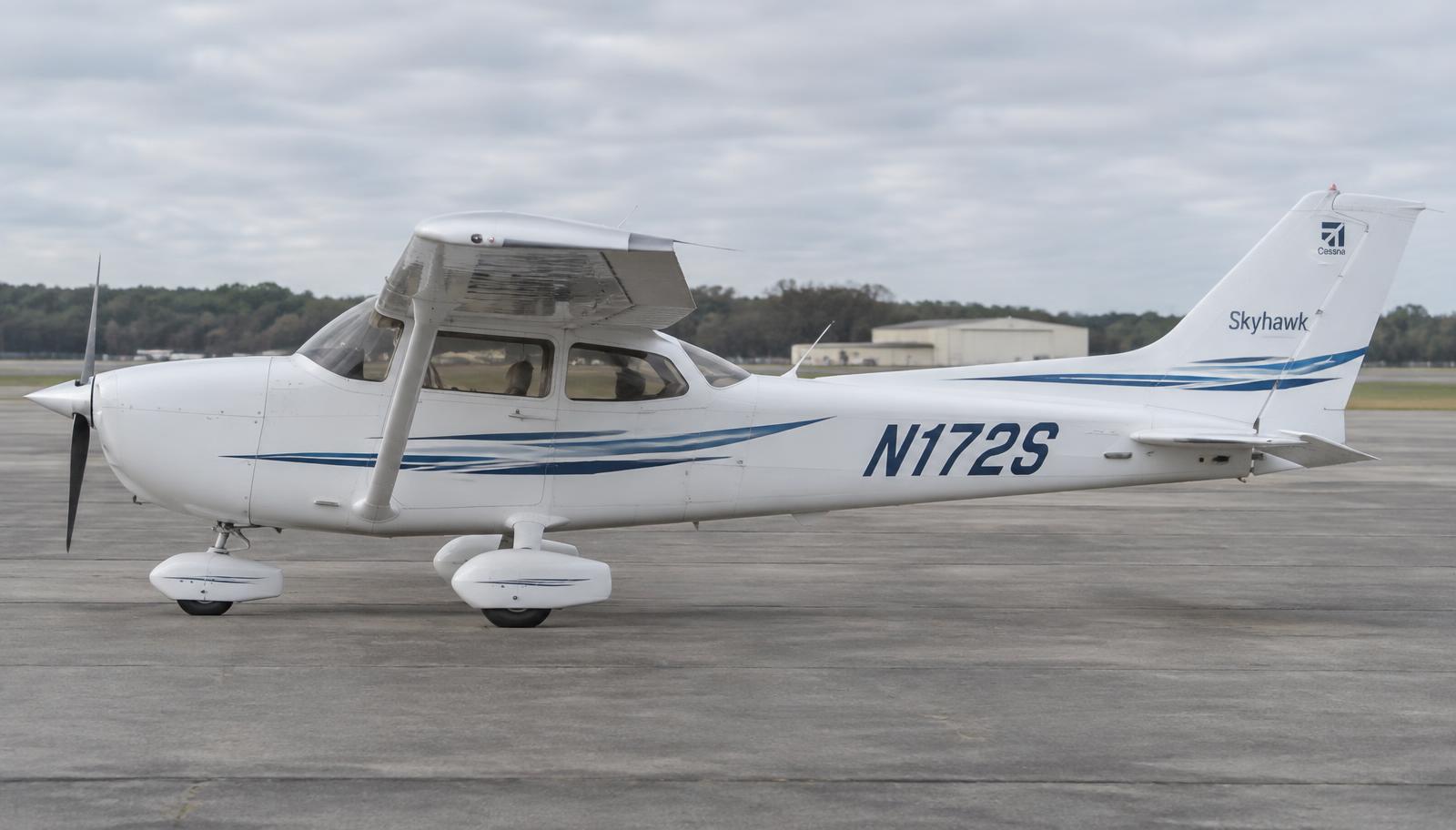
Fuel System
What it looks like
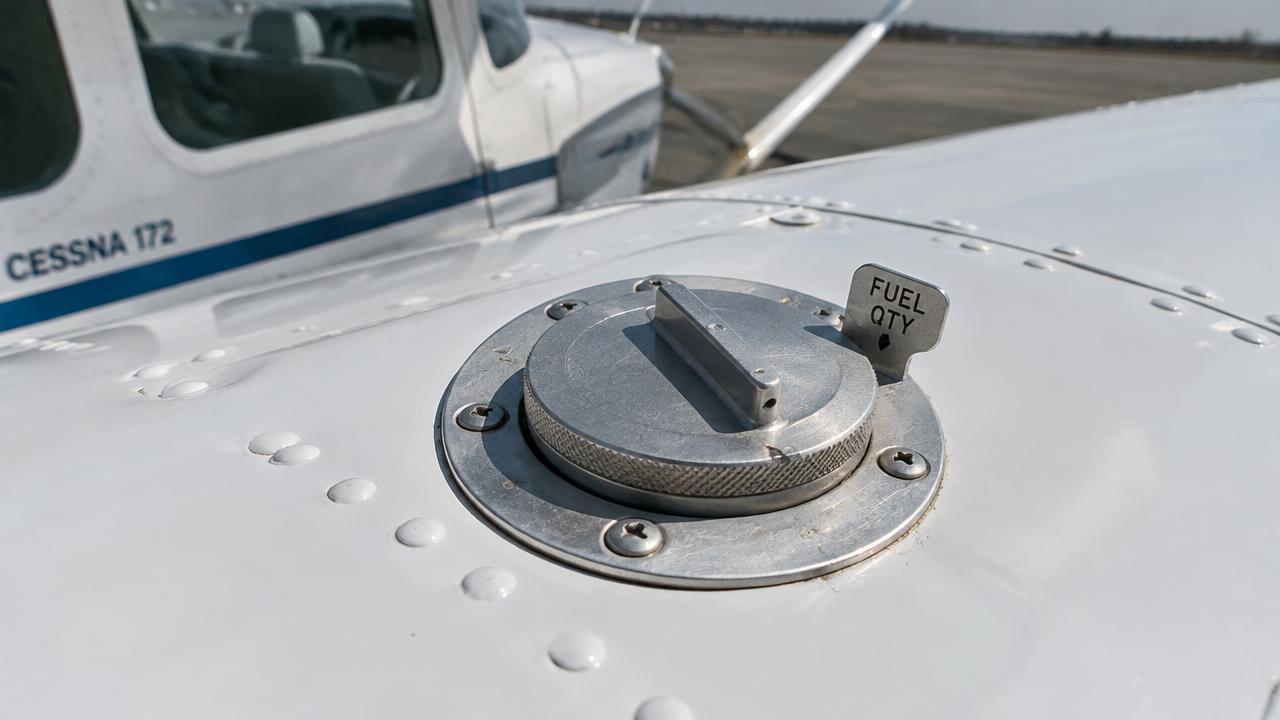
Controls
Fuel selector
Shutoff valve
Electric fuel pump
Engine
Inject failures
What this means
- Engine is receiving fuel and running normally.
How it works
- Fuel sits in two tanks in the wings above the cabin, so gravity pushes it down to the engine.
- From each tank it flows through a line to the fuel selector valve on the floor between the seats.
- The shutoff valve (a red knob) can stop all fuel — used in an engine fire.
- The fuel strainer, the lowest point in the system, traps water and dirt; you drain it before every flight.
- On the injected 172S the engine-driven pump raises pressure, and the electric auxiliary pump can help for starting, vapour or if the engine pump fails.
- The fuel servo meters fuel in proportion to the air the engine breathes and sends it to a flow divider, then to one injector per cylinder.
How the parts work together
- With the selector on BOTH, both tanks feed at once. Gravity alone keeps the engine running at most power settings even without pumps.
- Tank vents let air in as fuel leaves; a blocked vent creates suction and can starve the engine.
- The mixture control on the servo sets how much fuel goes with the air — the throttle sets how much air.
- Fuel that the engine doesn't use returns to the tank on some installations (vapour return).
What each part does
Click a box in the diagram or a part below to highlight it.
EDUCATIONAL USE ONLY. Content is summarised from manufacturer documentation for learning. It is not approved flight or maintenance data. Always use the current, aircraft-specific POH/AFM, FCOM, QRH, AMM and operator procedures.