warningATA 79 Oil
OIL PRESSURE
Oil pressure below 20 PSI.
WARNING — immediate action. Red level: something that can quickly become dangerous. Act on it now, in the order given.
Where it is
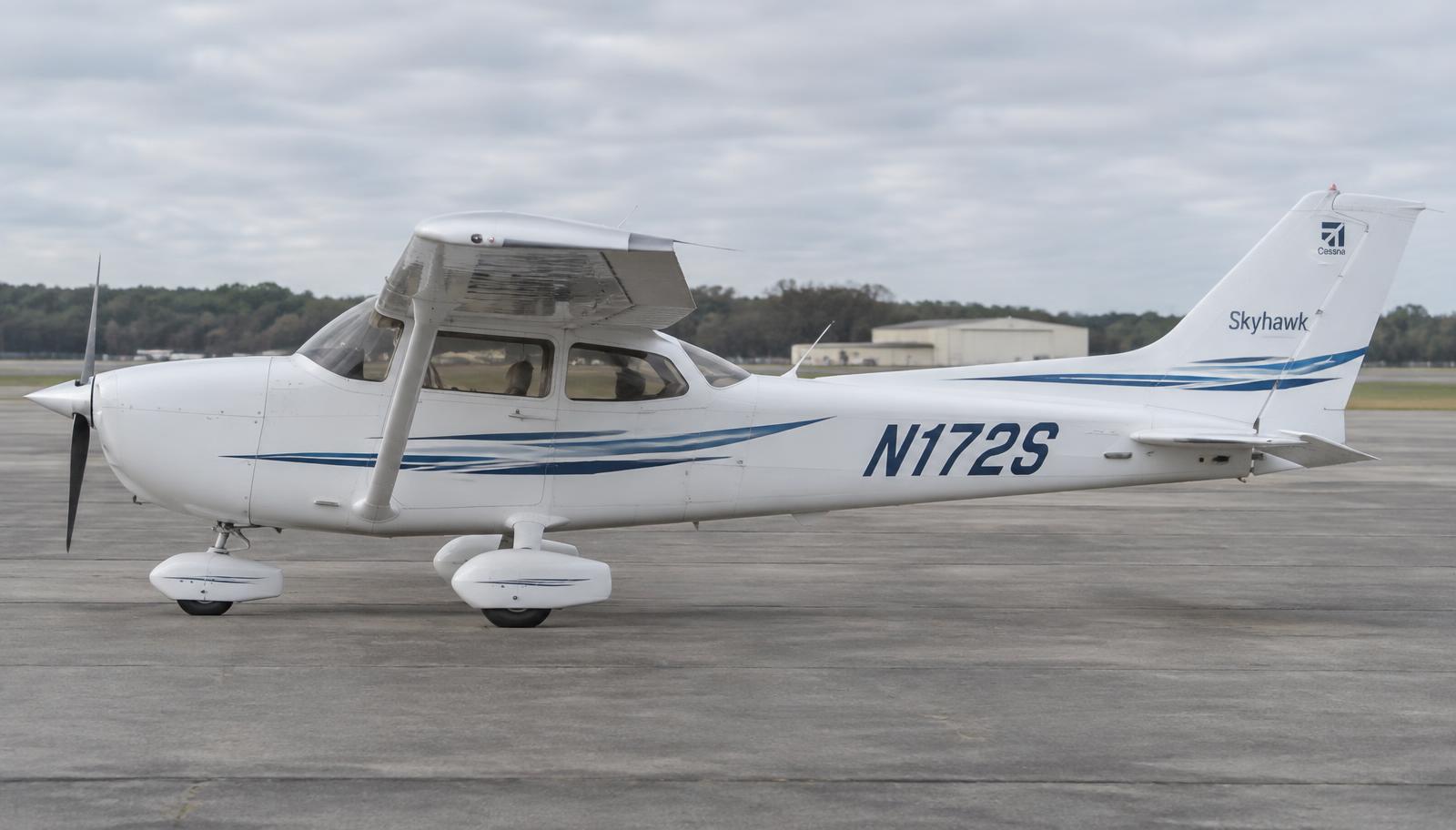
Engine oil
What it looks like
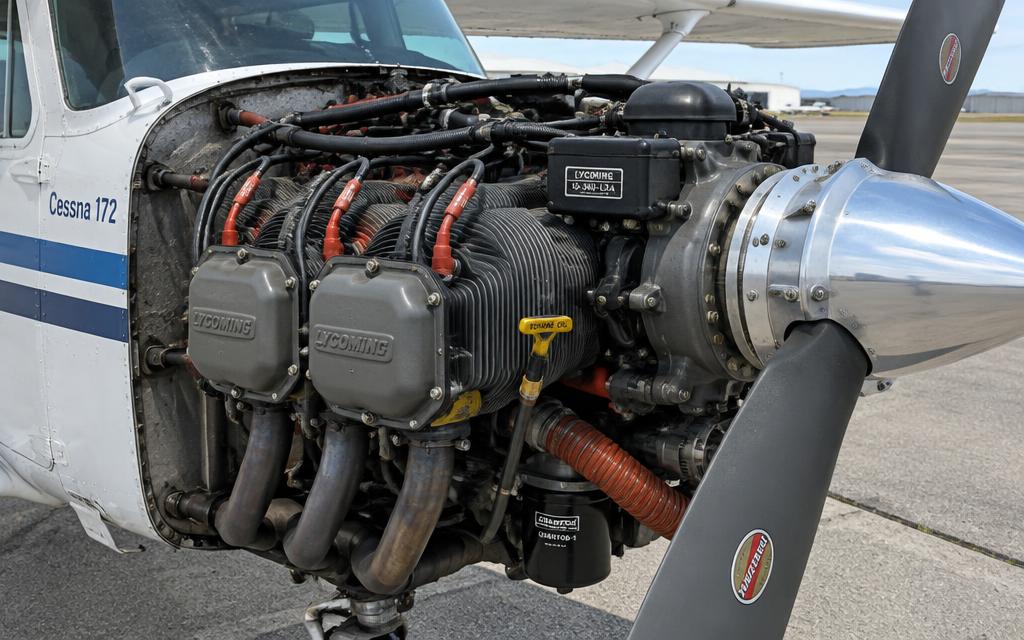
How to recognise it
- Message or light: OIL PRESSURE (warning).
- Oil pressure below 20 PSI.
- On the G1000 the message appears in the annunciation window; red messages also flash with a tone.
- Cross-check other indications before acting — a single sensor can be wrong.
How to manage it
1 · First seconds — fly the aircraft
- 1.Keep wings level and hold a safe airspeed and altitude before you look at the problem.
- 2.Silence the alarm only once the message is read and understood.
2 · Immediate actions
- 1.Check oil temperature — rising temp with low pressure confirms a real problem
- 2.Land as soon as possible
- 3.Reduce power to minimum needed
3 · Follow-up actions
- 1.Prepare for a possible engine failure / forced landing
4 · Plan & communicate
- 1.Normally: land as soon as possible at the nearest suitable field. Consider a forced landing if the engine is at risk.
- 2.Tell ATC or the local frequency what has happened and what you plan to do.
- 3.Review the approach and landing: speeds, distance, flap setting and what other systems are affected.
Likely causes
- Low oil quantity / leak
- Oil pump failure
- Faulty pressure sender (if oil temp stays normal)
Know the system
- Oil pressure and temperature together tell the story: low pressure with normal temperature is often a sensor fault.
Crew technique
- Use the POH Section 3 emergency checklist; memory items first.
- Single pilot: say each action aloud and touch the control before moving it.
- Ask ATC for help — vectors, weather, nearest airport.
Don't
- Do not rush — wrong switches in a hurry cause more accidents than the original fault.
- Do not continue the flight hoping it goes away.
- Do not reset a circuit breaker more than once.
- Do not shut down an engine without confirming which one — check it with the other pilot (jets) or by gauges.
After landing — maintenance
- Check oil quantity and look for leaks
- Inspect oil pressure sender and wiring
- Check oil filter for metal contamination
- Write the fault in the aircraft technical log with time, phase of flight and indications.
- The aircraft must be checked by a licensed mechanic before flying again.
REF: POH Section 3 — Low Oil Pressure